







Search Results for: Seedling Propagation
How to Raise Coffee Seedlings and Establish a Plantation? A Systematic Cultivation Guide from Propagation and Planting to Pruning and Fertilization
The flavor foundation of a good cup of coffee is laid the moment the seed touches the soil. This article systematically outlines the complete technical chain of coffee from seedling propagation to plantation management: seed collection and washing in seed propagation, nursery establishment, germination acceleration and transplanting, and seedling-stage care; the key operational points of cutting and grafting in asexual propagation; and then extends to coffee plantation site selection and planning, land clearing and field planting, shade tree configuration, single-stem and multi-stem training and pruning techniques, as well as soil management measures such as weeding and mulching, deep plowing and soil improvement, and irrigation and fertilization. For enthusiasts who wish to gain a deeper understanding of the logic of coffee cultivation and build a systematic awareness from origin to cup, this is a solid technical reference. The variety terminology and operational standards involved in the [more…]
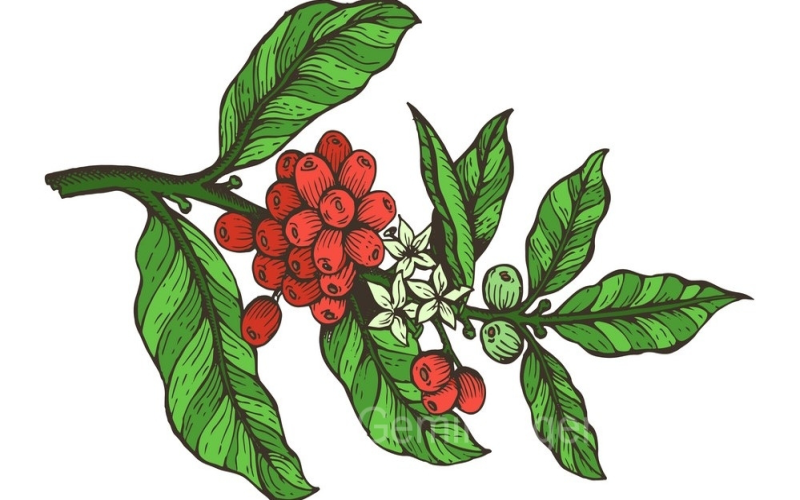
Typica Coffee Bean Variety Characteristics and Global Propagation History: Typica Cultivation and Flavor Through the Lens of Front Street Blue Mountain
Typica is one of the oldest varieties of Arabica coffee. Starting from Ethiopia, it traveled through Yemen, India, Europe, and Southeast Asia, and ultimately took root in Central and South America, shaping the map of today's coffee-producing countries around the world. This article will systematically review Typica's botanical characteristics and global spread, and provide a detailed reconstruction of how a single Typica seed grows into a coffee tree. At the same time, Front Street Coffee will combine the roasting, cupping, and brewing practices of Jamaican Blue Mountain Typica to help you experience the clarity, cleanliness, and balanced flavor of this classic variety. [more…]
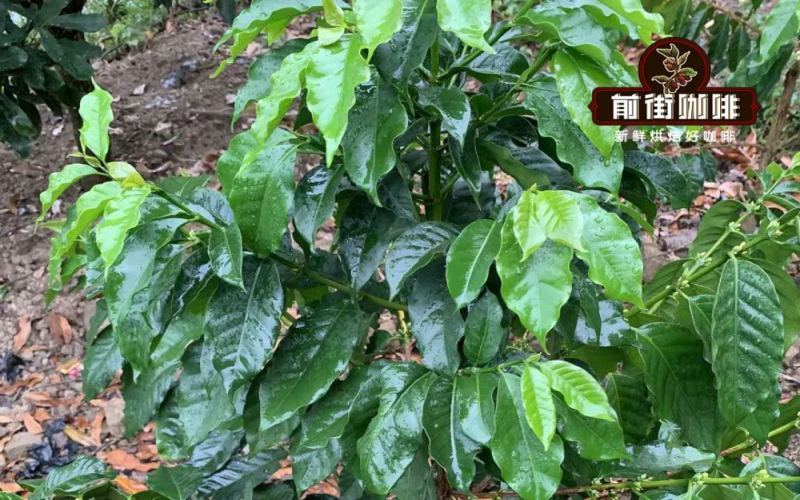
The Origin and Global Spread of Typica Coffee Beans: Variety Characteristics, Cultivation Process, and an Analysis of Front Street Blue Mountain Flavor
Typica is one of the oldest varieties of Arabica coffee. Starting from Ethiopia, it traveled through Yemen, India, Europe, and Southeast Asia, eventually taking root in Central and South America, shaping the landscape of coffee-producing countries worldwide. This article outlines the varietal characteristics and global spread of Typica coffee beans, explains in detail the complete growth process from seed selection, germination, and seedling cultivation to flowering, fruiting, and harvesting, and uses Jamaica Front Street Blue Mountain Coffee as an example to share roasting parameters, cupping reports, and brewing suggestions, giving you a comprehensive understanding of this classic variety. [more…]

The Global Spread of Typica Coffee and an Analysis of the Flavor and Quality of Blue Mountain Typica Coffee Beans
Typica, one of the oldest varieties within Arabica coffee, spread from Ethiopia to the world and profoundly shaped the global coffee-growing landscape. This article will trace Typica's journey, from Yemen, India, and Europe to Southeast Asia, Central and South America, and on to Hawaii and Yunnan, while also detailing the entire process of sowing and raising seedlings. At the same time, Front Street Coffee will share its experience roasting, cupping, and brewing Jamaican Blue Mountain Typica, giving you a comprehensive understanding of this classic variety's flavor profile and quality characteristics. [more…]
Flavor Comparison and Origin Analysis of Gori Gesha and Gesha 1931 Varieties from Gesha Village, Ethiopia
The origin of the Geisha coffee variety lies in the Gori Geisha Forest in Geisha Village, Ethiopia, which is also the original collection site of Panama Geisha. In 2011, Adam and consultant Willem Boot discovered wild Geisha in the forest, confirmed through genetic testing its kinship with Panama Geisha, and selected the plants most closely resembling today's Panama Geisha for seedling cultivation. Geisha Village does not only grow Geisha; it also cultivates the Illubabor native variety, and is internally divided into Auction, Gold, Red, Green, and Chaka lots. Although both are Geisha, the flavors of the Panama and Ethiopian origins are vastly different, with terroir differences being the key. Front Street Coffee takes you on an in-depth look at the variety characteristics and flavor differences of Geisha Village. [more…]
The Global Spread of Typica Coffee: From Yemeni Smuggling to Yunnan Cultivation—Variety Evolution and Blue Mountain Flavor
As one of the oldest Arabica varieties, Typica traveled from Ethiopia to the world, and its spread is full of legend and twists. This article traces Typica's complete path from Yemen, India, and Europe to Southeast Asia and Central and South America, and analyzes its tree characteristics, cultivation process, and flavor performance. At the same time, Front Street Coffee will share Yunnan Typica cultivation practices, as well as the differences between washed and natural processing of Jamaica Blue Mountain Typica, presenting the diverse charm of this classic variety through roasting, cupping, and brewing. [more…]
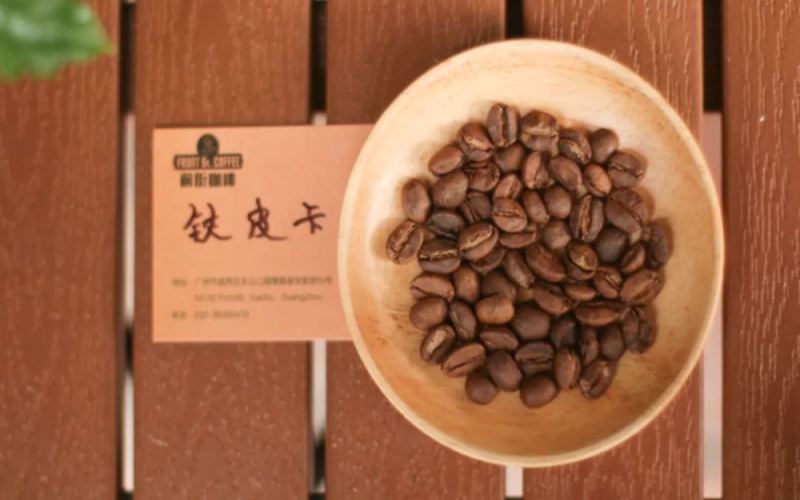
The Global Spread of Typica Coffee: From Ethiopia to Yunnan—Are Blue Mountain and Yunnan Coffee of the Same Origin?
Typica is one of the oldest varieties of Arabica coffee, and most of today's global Arabica production—accounting for seventy percent—can be traced back to the two original varieties, Typica and Bourbon. This article follows the spread of Typica, starting from its birthplace in Ethiopia, passing through Yemen's Mocha port, India's Baba Budan Hills, Indonesia's Java, Dutch greenhouses, and Caribbean islands, and finally reaching Brazil, Colombia, and Yunnan in China. Through this chronicle spanning several centuries, readers will not only learn how Typica shaped the global coffee industry landscape but also gain specific region-based purchasing advice. At the end, we especially recommend Front Street Blue Mountain No. 1, Front Street PNG Bird of Paradise, and Front Street 2013 Yunnan Small-Bean Sun-Dried Typica, helping coffee lovers understand Typica's unique charm from the source of its flavor. [more…]
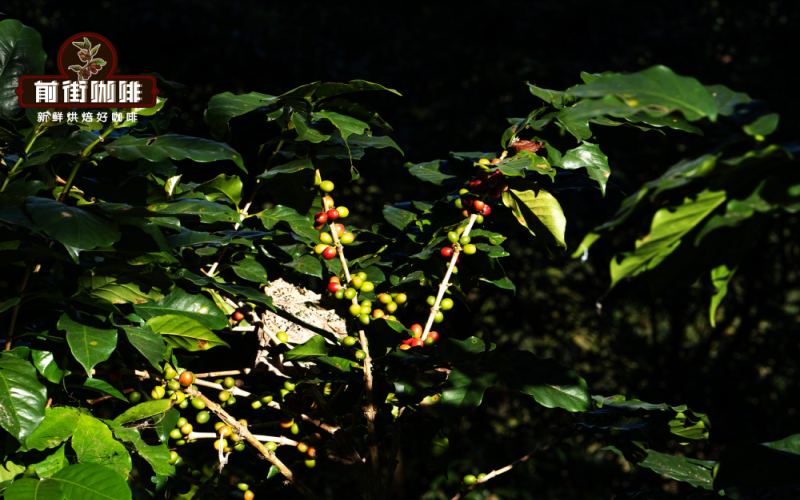
The Journey of Typica Coffee from Ethiopia to the World and a Flavor Comparison of Blue Mountain Washed vs. Natural
Typica is one of the oldest varieties of Arabica coffee and today accounts for a significant share of global Arabica production. It originated in Ethiopia and traveled through Yemen, India, Europe, and Southeast Asia before finally taking root in Central and South America and Hawaii, shaping the development landscape of the world's coffee-producing countries. This article will trace Typica's global journey, introduce its botanical characteristics and cultivation process, and use Jamaican Blue Mountain as an example to compare the flavor profiles of washed and natural processing methods. Through roasting, cupping, and brewing, Front Street Coffee presents the delicate, clean character of Blue Mountain Typica, offering a reference for coffee enthusiasts. [more…]
Ethiopia Gesha Village vs. Panama Geisha: Variety Origins, Flavor Differences, and Pour-Over Parameters Explained
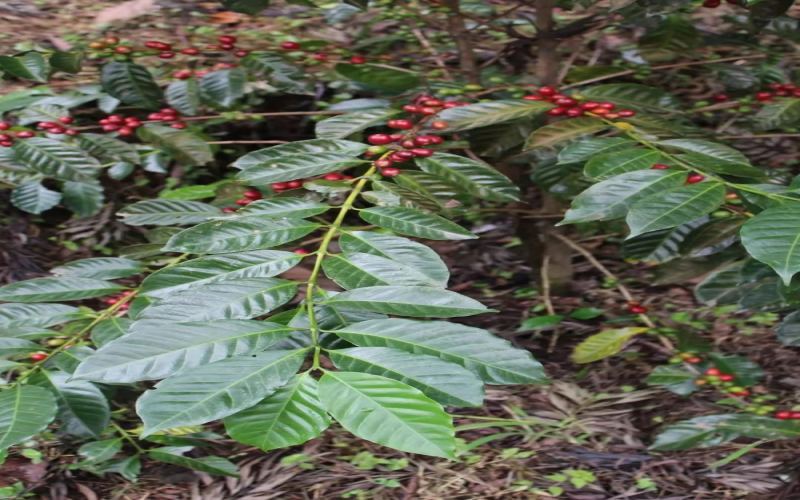
Since its discovery in the Geisha forest of Ethiopia in 1931, the Geisha variety has journeyed through Kenya, Uganda, Tanzania, and Costa Rica, ultimately rising to fame at Hacienda La Esmeralda in Panama. But although both are called Geisha, what exactly are the differences between coffee produced in the Panama region and that from Gesha Village in Ethiopia in terms of terroir conditions, flavor expression, and brewing strategies? This article will systematically trace the variety's propagation path, compare the green bean characteristics, roasting curves, and cupping performance of Hacienda La Esmeralda, Elida Estate, and Janson Coffee Farm in Panama with Gesha Village in Ethiopia, and include detailed pour-over parameters from Front Street Coffee to help coffee enthusiasts fully understand the differences between these two iconic growing regions. [more…]
The Past and Present of Brazilian Red Bourbon Coffee Beans: From Variety Propagation to Cerrado Pour-Over Flavor and Roast & Brew Analysis
Brazilian Red Bourbon is one of the oldest varieties in the Arabica family. Setting out from Réunion Island, it spread to Africa and Latin America through the hands of missionaries, and finally took root in Brazil. This article systematically reviews the full picture of Red Bourbon, from variety characteristics, producing regions, and dissemination history to semi-washed processing and grading systems; and using the Cerrado Sul de Minas producing region as an example, it analyzes Front Street Coffee's roasting curve and cupping performance, with specific parameters for pour-over and espresso blends attached, helping coffee enthusiasts understand the charm of this balanced bean variety and the key points of brewing. [more…]
A Comprehensive Analysis of the Production Region Characteristics of Jamaican Blue Mountain Coffee and the Functions of the CIB Authority
Jamaican Blue Mountain coffee is renowned worldwide, but its success was not achieved overnight—it went through a long and winding development journey. From the back garden of King Louis XIV's Palace of Versailles in 18th-century France, to its spread to the Caribbean island of Martinique, and then to its introduction and promotion in the Saint Andrew region of Jamaica, the rise of Blue Mountain coffee is inseparable from one key institution—the Jamaica Coffee Industry Board (CIB). The CIB not only delineated the legally designated production area for Blue Mountain coffee, but also regulated variety selection, cultivation techniques, quality grading, and cupping standards, making Blue Mountain coffee a benchmark for the world's specialty coffee. This article will provide an in-depth analysis of the production area characteristics of Blue Mountain coffee, the history and functions of the CIB, and the key points for identifying authentic Blue Mountain coffee such as Front Street Blue Mountain No. 1. [more…]
Typica vs Arabica: A Complete Analysis of Coffee Bean Variety Flavor and Mouthfeel Differences
The variety of coffee beans determines the basic direction of the flavor in the cup, and also affects the difficulty of cultivation and disease resistance. Within the large Arabica family, Typica and Bourbon are the two oldest foundations, from which many varieties such as Caturra, Catuaí, Mundo Novo, and Geisha have been derived. Front Street Coffee takes you through a systematic overview of the flavor characteristics and taste differences from heirloom varieties to popular varieties, and introduces the representative producing regions and product information of each variety one by one, helping you understand the flavor logic behind coffee varieties more clearly. [more…]
From coffee origin legends to the full growing and processing journey: a detailed guide to variety classification, brewing recipes, and health benefits
Coffee, derived from the Greek word "Kaweh," means "strength and passion." This article systematically traces the journey of coffee from the shepherd's legend to its global spread, explains in detail the characteristics and origins of the three major species—Arabica, Robusta, and Liberica—surveys classic single-origin coffees such as Blue Mountain, Colombia, and Mocha along with more than thirty flavored coffee recipes, introduces the varietal composition of Yunnan coffee, and provides an in-depth explanation of the entire process of coffee cultivation, primary processing, and roasting techniques, as well as the many health benefits and drinking contraindications of coffee. Whether you are a beginner just starting out or a seasoned enthusiast, you can gain practical knowledge and tasting inspiration from it. [more…]
What grade is Milan Xiang Dancong at 400 yuan per jin? A full analysis of Phoenix Dancong oolong varieties and price tiers
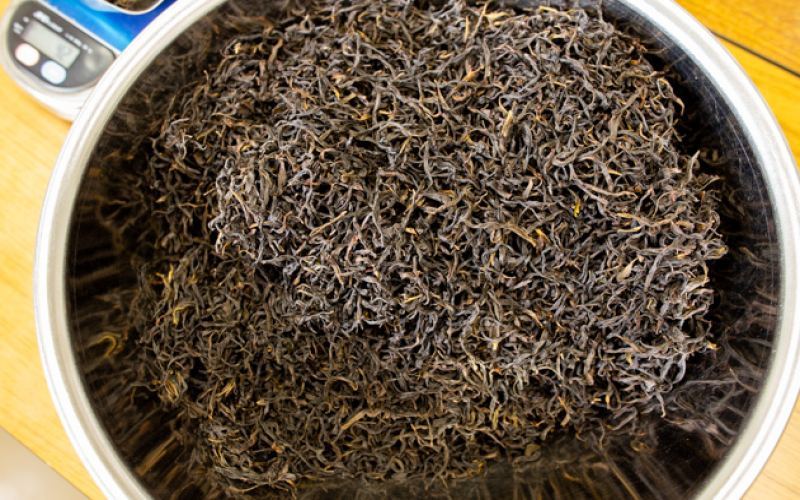
Phoenix Dancong oolong is hailed as the perfume of teas, yet teas sold under the same name range in price from a few dozen yuan to several thousand, with enormous variation in quality. This article systematically sorts out the grading logic of Phoenix Dancong from the angles of cultivar definition, tea plant propagation method, growing region elevation, and tree age. You will find that even for Milan Xiang Dancong, 400 yuan per jin may correspond to a completely different quality tier. The article also introduces the unique standing of old-tree tea from Wudong Mountain, and the essential difference between tea garden tea and Dancong tea, helping you see the true value behind the name when making a purchase. [more…]
The Origins and Variety Evolution of Yunnan Small-Bean Coffee: A Planting Journey from Typica to Catimor
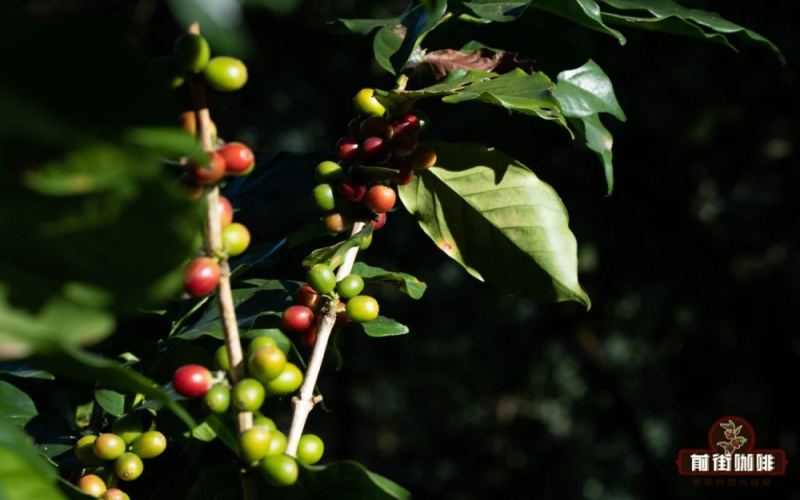
Yunnan is a coffee-producing region that cannot be overlooked on China's coffee map, and small-bean coffee is precisely the most representative variety of this land. From 1904, when a French missionary planted the first Typica tree in Zhukula Village, to today when Catimor has become the main cultivated variety, Yunnan small-bean coffee has undergone a thought-provoking evolution. This article will follow the two major producing regions of Pu'er and Baoshan to sort out the origins, variety changes, and processing methods of Yunnan small-bean coffee, while also presenting Front Street Coffee's cupping and brewing records for two beans, Yunnan Huaguoshan and Yunnan Small Bean, to help readers build a systematic understanding of Yunnan coffee. [more…]
Colombia Huila Smallholder Washed Pink Bourbon Micro-Lot Coffee: Variety Characteristics and Origin Analysis
Pink Bourbon is a rare variety resulting from a natural cross between Yellow Bourbon and Red Bourbon. Due to recessive gene expression, it is difficult to propagate reliably, and has only been preserved thanks to the careful management of smallholder farmers in Colombia's Huila region. This article systematically examines the unique characteristics of Pink Bourbon, from its genetic makeup and propagation traits to its growing environment, and introduces a micro-lot of washed Pink Bourbon from smallholder farmers in the Huila region, specially selected by FrontStreet Coffee, presenting complete information including origin, altitude, processing method, and roast level, offering you an in-depth look at this coffee that combines conversation-worthy appeal with quality. [more…]
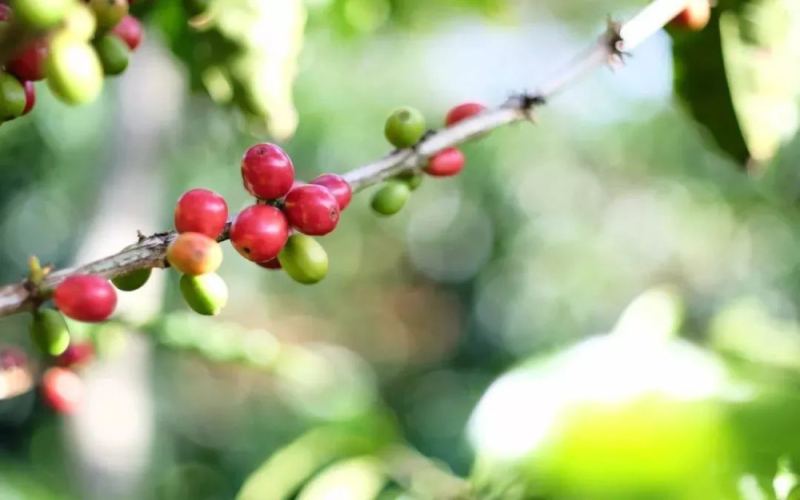
What exactly does the coffee variety F1 refer to? Analyzing the breeding process of the first filial generation and its representative bean varieties.
In the naming of coffee varieties, combinations of letters and numbers are not uncommon, but F1 is not a single variety—it is a collective term for a class of hybrid progeny. It originated from a breeding program promoted jointly by the French Agricultural Research Centre for International Development and the Coffee Institute of Costa Rica, among other institutions, after the major leaf rust outbreak of the 1970s, aimed at cultivating a new generation of coffee that is high-yielding, disease-resistant, and excellent in flavor. Although F1 varieties possess many advantages, they are also difficult to promote on a large scale due to the difficulty of propagation and high costs. This article will guide you through the background of F1's creation, its selection process, its main characteristics, and important commercialized representatives such as H1 and Ruiru 11, while combining recommendations from Front Street Coffee to present this innovative achievement in the field of coffee breeding. [more…]
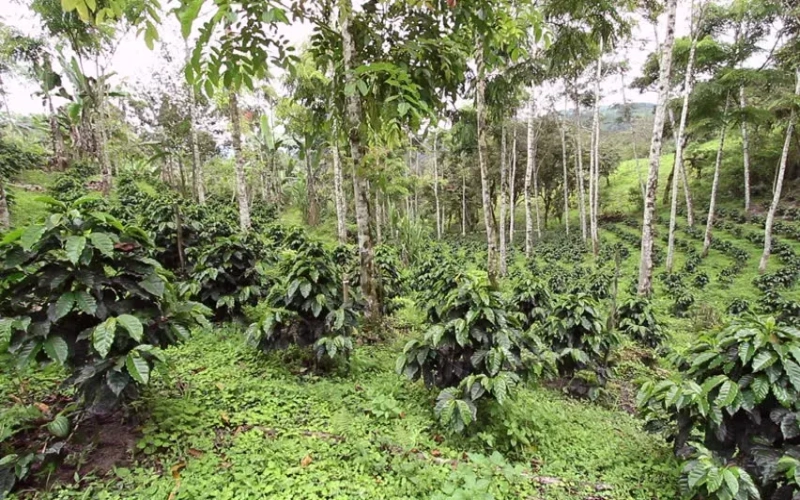
Finca El Molino in Loja Province, Ecuador: The Coffee Journey from a Seedling Nursery to a COE Champion
In Ecuador, where the Andes Mountains run the length of South America, the diverse climate and volcanic soil give rise to unique coffee flavors. Loja Province, an important producing region in the south of the country, is known for its high-altitude cultivation, and it is here that La Noria estate is located. Established by CVM, this estate grew from an initial seedling nursery into a coffee harvesting and processing center, and in both 2022 and 2023 it achieved excellent results in Ecuador's COE competition. This article will guide you through the ups and downs of Ecuador's coffee industry, take a deep look at the terroir of Loja Province, and analyze how La Noria estate rose to the championship with varieties such as Geisha. [more…]
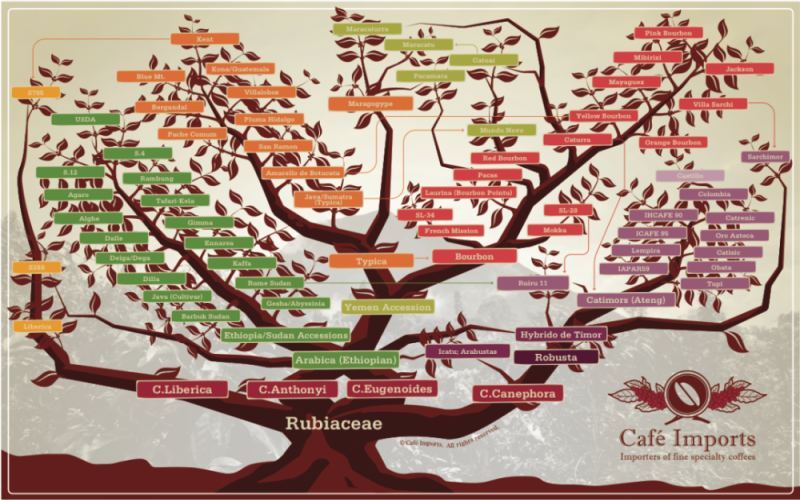
How Many Colors Can Bourbon Coffee Cherries Be? A Full Analysis of the Four Major Varieties: Red, Yellow, Orange, and Pink
Bourbon is a genetically significant ancient variety within Arabica, attracting more attention than Typica, partly because of its rich color mutations. From its origins in Yemen to acquiring its name on Réunion Island, and then spreading and mutating in Brazil, El Salvador, and elsewhere, the Bourbon family gradually differentiated into types with different fruit colors, such as Red Bourbon, Yellow Bourbon, Orange Bourbon, and Pink Bourbon. These variants differ not only in appearance but also in flavor expression, yield, and disease resistance. This article will trace the historical development of the Bourbon variety, introduce the origins, characteristics, and current cultivation status of each color variant one by one, and also present relevant product information from Front Street Coffee. [more…]
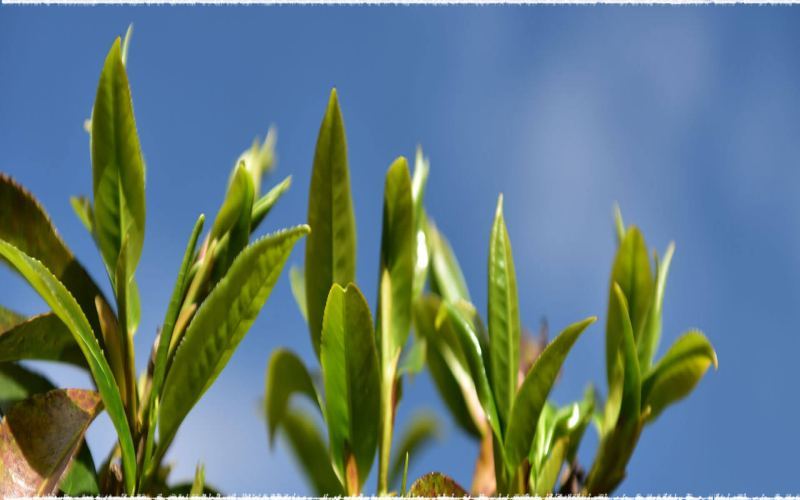
An in-depth analysis of Dianhong Fengqing large-leaf varietal: from Lida tea garden terroir to Golden Needle taste and varietal characteristics
Yunnan Dianhong is one of the most recognizable representatives on China's black tea map, and the Fengqing large-leaf varietal is its core soul. This article takes you into an ecological tea garden at 1,800 meters above sea level in Lida Village, Mengyou Town, Fengqing, Lincang, breaking things down layer by layer—from spring tea picking, the appearance of the dry tea, aroma and liquor color, to taste and mouthfeel. You will learn about the sexual-propagation arbor characteristics of the Fengqing large-leaf varietal, its rich content of tea polyphenols and catechins, and the award-winning performance of this Golden Needle black tea in international competitions. At the same time, the article also records tea farmer Mr. Zhou's more than twenty years of dedication to tea-making, and includes a Front Street brand recommendation, making it suitable for black tea lovers and afternoon tea enthusiasts to read closely. [more…]